|
Paslaugos |
Dantų implantai
Istorija
Danties pakeitimas į kaulą įtvirtinta atrama nėra nauja koncepcija. Archeologiniai atradimai parodė, kad senovės egiptiečiai ir Šiaurės Amerikos civilizacijos eksperimentavo atstatinėdami prarastus dantis dramblio kaulo bei mediniais rankų darbo dantų pakaitalais. Aštuonioliktame amžiuje dantys buvo pakeičiami išrautais iš kitų žmonių (donorų) dantimis. Implantavimas buvo atliekamas labai grubiai ir rezultatai buvo ypatingai prasti dėl didelės autoimuninės paciento reakcijos. Maža to, tokiu būdu buvo pernešama daugybė infekcinių susirgimų, tokių kaip sifilis, tuberkuliozė. Moderniąją implantologiją pradėjo Brånemark su kolegomis 1969 metais, kai pirmą kartą paskelbė tyrimų duomenis apie titaninius dantų implantus. Nuo to laiko keitėsi titaninių dantų implantų forma ir paviršius, tačiau šis metodas ir toliau lieka patikimas ir populiarus. Šiomis dienomis populiariausi yra šaknie formos dantų implantai.
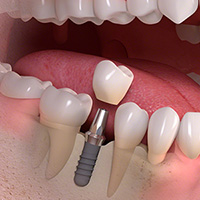
Kas yra dantų implantas?
Kodėl dantų implantai?
Praeityje, netekus dantų, defektai buvo užpildomi nenuimamais tiltais arba nuimamomis plokštelėmis. Tačiau ne visi žmonės pripranta ir toleruoja nuimamus protezus arba neturi tiek sveikų dantų, kad būtų galima fiksuoti nenuimamus protezus. Be to, daugumoje atvejų norint fiksuoti tiltus, reikia nušlifuoti arba net devitalizuoti visai sveikus gražius dantis. Naudojant dantų implantus, galima išvengti dantų šlifavimo. Dantys uždėti ant implantų pagerins Jūsų išvaizdą. Jie tikrai pakeis Jūsų natūralius dantis. Dantų implantai gali labai pagerinti gyvenimo kokybę tiems žmonėms, kurie dėvi plokšteles. Tiek viršutinė, tiek apatinė plokštelės gali būti tvirtinama prie dantų implantų įsuktų į žandikaulį specialiu užraktu. Jei pacientas negali nešioti plokštelių dėl padidinto pykinimo reflekso arba kitų priežasčių, galima jų atsisakyti ir įsukus implantus fiksuoti prie jų nenuimamus tiltus.
Ar aš esu tinkamas kandidatas dantų implantacijai?
Dantų implantai vis dėlto nėra tinkami kiekvienam. Kadangi norint įtvirtinti į kaulą dantų implantus reikalinga chirurginė intervencija, pacientas turi būti pakankamai sveikas, turėti sveikas dantenas, turi būti pakankami žandikaulio matmenys, pacientas turi laikytis burnos higienos reikalavimų ir reguliariai lankytis kontroliniams patikrinimams. Jeigu Jūs apsisprendėte dantų implantacijai, gydytojas odontologas Jus nuodugniai ištirs, kad būtų aišku ar tinkate šiai procedūrai.
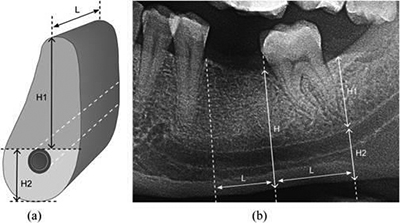
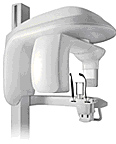
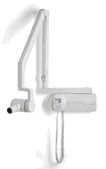
Norint teisingai suplanuoti dantų implantacijos operaciją, reikalingas detalus rentgenologinis ištyrimas. Tokiam ištyrimui mes naudojame panoraminį ortopantomografą KODAK 9000 3D. Šis aparatas perteikia kokybišką žandikaulio trimatį vaizdą, o tai užtikrina šiuolaikišką dantų implantacijos planavimą. Taip pat naudojame intraoralinį dentalinį rentgeno aparatą KODAK 2200.
Šios skaitmeninės sistemos užtikrina ypač aukštos kokybės rentgeno nuotraukų vaizdą. Be to, naudojant šią diagnostinę techniką, ženkliai sumažinama paciento apšvita rentgeno spinduliais.
Implantacijos sėkmė didele dalimi priklauso nuo pacientų pasirinkimo
Absoliučios kontraindikacijos:
Širdies kraujagyslių sistemos ligos (nekontroliuojama hipertenzija, širdies reumatas ir kita), nekontroliuojamas cukrinis diabetas, psichozė – nerealus situacijos ir laukiamų rezultatų vertinimas, piktnaudžiavimas medikamentais ir alkoholiu, inkstų dializė, brendimo amžius, leukemija, imunosupresinės ligos, nėštumas, kaulo ir jungiamojo audinio susirgimai, kepenų ligos, onkologinės ligos
Sąlyginės kontraindikacijos: Sisteminiai hematologiniai sutrikimai (anemija, granuliocitopenija ir kitos), radiacinis žandikaulių gydymas (5000 radų ir daugiau), plaučių ligos (astma, bronchitis, emfizema), kraujo krešėjimą mažinančių medikamentų naudojimas, psichikos ar psichologiniai sutrikimai, chemoterapija, imunosupresija, hemofilija, cukrinis diabetas, inkstų ir kepenų ligos.
Burnos patologija: Įvairios burnos ertmės ligos (augliai, cistos, nevietoje stovintys ir neišdygę dantys ir kita), sumažėję dėl atrofijos žandikaulių matmenys, kai negalima atlikti įprastinės implantacijos, žymūs sąnkandos sutrikimai, dantų griežimas, nagų kramtymas ir kiti žalingi įpročiai, bloga burnos higiena, piktnaudžiavimas alkoholiu, rūkymas.
Kaip yra atliekama dantų implantacija?
Pirmiausia, chirurginės operacijos metu yra įsukami dantų implantai į žandikaulį. Operacija yra atliekama vietinėje nejautroje arba papildomai taikant sustiprintą nuskausminimą. Bet kuriuo atveju implantacijos operacija yra neskausminga. Operacija gali trukti nuo vienos iki kelių valandų. Retais atvejais galima iš karto uždėti laikiną plastmasinį vainikėlį. Kai kuriais atvejais, prieš laikiną protezavimą reikalinga antra maža procedūra, tai yra formuojančios gleivinę atramėlės uždėjimas ant implanto. Tinkamai išformavus dantenas po kelių savaičių kartais galima pagaminti laikiną vainikėlį. Jeigu yra pavojus implanto stabilumui, galima pagaminti nuimamą laikiną plokštelę. implantas turi suaugti su kaulu. Viršutiniame žandikaulyje tai trunka apie 6 mėnesius, apatiniame 3 mėnesius. Svarbiausia, kad implantas šiame periode negautų krūvio, nes bus organizmo atmestas kaip svetimkūnis. Tik po to yra gaminamas pastovus protezas.
Garantijos
Straumann kompanija, gaminanti implantus, duoda jiems garantiją visam laikui. Nepriaugus implantui, o tai būna 1-2 atvejais iš keturių šimtų, Straumann kompanija duoda naują implantą.
|
||||||||||||||||||||||||||||||||||||


|
Services
|
Dental implants
History
Replacing lost teeth with a bone-anchored device is not a new concept at all. Archeological findings showed that the ancient Egyptian and South American civilizations already experimented with re-implanting lost teeth with hand-shaped ivory or wood substitutes. In the 18th century lost teeth were sometimes replaced with extracted teeth of other human donors. The implantation process was probably somewhat crude and the success rates extremely low due to the strong immune reaction of the receiving individual. Brånemark et al, started the new era of modern implantology in 1969 when they published their first findings about the titanium dental implants the first time. Since that time the shape and surface of the titanium implants have changed. Nevertheless, this method still remains popular and reliable. Nowadays the most popular are root-form dental implants.
What are dental implants?
Why dental implants?
However, not all people can adjust to partial or complete dentures or have teeth that are strong and healthy enough to support bridges. In addition, healthy tooth structure must often be sacrificed in order to create the supporting portions of a bridge. Dental implants allow each replacement tooth to stand on its own. Implant supported teeth will improve your appearance. They look and feel like your natural teeth. Dental implants can greatly improve the quality of life for complete denture wearers. Either or both of the lower and upper denture can be „locked down” by securing it to a number of implants which have been placed in the jawbone. In some cases, if the patient so desires, all of the missing teeth can actually be replaced with implant supported crowns and bridges.
Am I a candidate for dental implants?
Implants, however, are not an option for everyone. Because implants require surgery, patients must be in good health, have healthy gums, have adequate bone to support the implant and be committed to meticulous oral hygiene and regular dental visits. If you are considering implants, a thorough evaluation by your dentist will help determine if you would be a good candidate. The success of implantation depends on selection of patients. Absolute contraindications: Cardiovascular problems (hypertension, rheumatic heart disease, etc), uncontrolled diabetes, psychosis – unrealistic expectations, drug and alcohol abuse, kidney dialysis, prepubertal age, leukaemia, immunosuppressive disorders, pregnancy, colagen and bone diseases, liver disease, uncontrolled hypertension, oncological diseases. Require further investigation: Systemic haematological disorders (anemia, granulocytopenia, et cetera), irradiation of jaws (5000 rads or greather), pulmonary problems (asthma, bronchitis, emphysema), anticogulant therapy, psychiatric or psychological disorders, chemotherapy, immunosupression, hemophilia, uncontrolled diabetes, liver and kidney disorders. Oral considerations: Different kind of oral pathology (tumors, cysts, impacted teeth and others), ridge dimensions insufficient to accommodate proper implant placement, lateral oral interferences, solid centric cuspid disclusion, parafunctional habits such as bruxism, nail biting, pencil biting, tobaco use, alcohole abuse, poor oral hygiene.
Surgical dental implant installation requires understanding of associated anatomical structures. Planning should be done on three-dimensional edentulous jaw segment pattern. The KODAK 9000 3D extraoral imaging system enables dental professionals to obtain low-dose, high-resolution three-dimensional images, as well as panoramic images, at an affordable price. This unique „2-in-1” system (3D and panoramic) is well suited for dental professionals who regularly perform complex diagnostic, restorative, surgical, and endodontic procedures. A very high frequency KODAK 2200 x-ray generator supports superior image quality and better safety conditions for our patients and our staff.
KODAK RVG 6100 Digital Radiography System has the high resolution digital imaging sensor. Due to new technological advances with the optical plate and scintillator, all size sensors have increased „sensitivity,” which allows a practitioner to decrease the radiation dose — up to 10% decrease for sizes 1 & 2 and 40% decrease for size 0.
What is involved in placing implants?
First, surgery is performed to place the anchor. This is carried out under local anaesthetic or sedation. The placement is therefore painless. Surgery can take up to several hours, and up to six months may be required for the bone to grow around the anchor and firmly hold it in place. Some implants require a second surgery in which a post is attached to connect the anchor to the replacement teeth. With other implants, the anchor and post are already attached and are placed at the same time. After the gums have had several weeks to heal, the next step is begun. The artificial teeth are made and fitted to the post portion of the anchor. Because several fittings may be required, this step can take one to two months to complete. If you are having one or more missing teeth replaced with implant supported teeth the complete reconstruction process will take 4 to 9 months. This is because it takes time for your bone to grow around and bond securely to your implants.
Guarantee
The dental implant manufacturer we use (Straumann) have a 10 year guaranty on the implant itself. In a case of failure of dental implant during ossteointegration, money paid for dental implantation will be refund.
|
||||||||||||||||||||||||||||||||||||